In today’s digital world, every parent wants to know how to reduce screen time for children. With tablets, smartphones, TVs, and gaming consoles everywhere, managing screen time has become one of the biggest challenges for families. While technology is helpful, too much exposure affects a child’s sleep, focus, behavior, and overall health.
If you want to learn how to reduce screen time for children in a realistic, stress-free way, this guide will give you simple, practical, and science-backed strategies that truly work.
Why Reducing Screen Time for Children Is Important
Before understanding how to reduce screen time for children, it’s important to know why it matters.
1. Physical Health Risks
Excessive screen time can cause:
- Eye strain
- Weak eyesight
- Poor posture
- Headaches
- Lack of physical activity (leading to weight gain)
2. Mental and Emotional Impact
Too much screen exposure can lead to:
- Irritability
- Anxiety
- Short attention span
- Sleep disturbance
- Emotional dependence on devices
3. Social and Behavioral Issues
Children who spend too much time on screens may:
- Avoid outdoor play
- Interact less with family
- Develop slower communication skills
This is why parents actively search for ways to reduce screen time for children and build healthy habits at home.
How Much Screen Time Is Healthy for Children?
Health organizations like WHO and the American Academy of Pediatrics give clear guidelines:
- Toddlers (2–4 years): Maximum 1 hour/day
- Children (5–12 years): 1–2 hours/day
- Teens: Ideally under 2.5 hours/day
If your child is exceeding these limits, it’s time to apply the methods explained below on how to reduce screen time for children effectively.
How to Reduce Screen Time for Children – Practical Tips for Parents
Below are proven strategies on how to reduce screen time for children without causing arguments, tantrums, or stress.
1. Create Clear and Consistent Screen Time Rules
Children need clear boundaries.
Some rules you can set:
- No screens during meals
- No screens 1 hour before bedtime
- No device in the bedroom
- No long gaming sessions on weekdays
When rules are consistent, kids follow them naturally — making it easier to reduce screen usage.
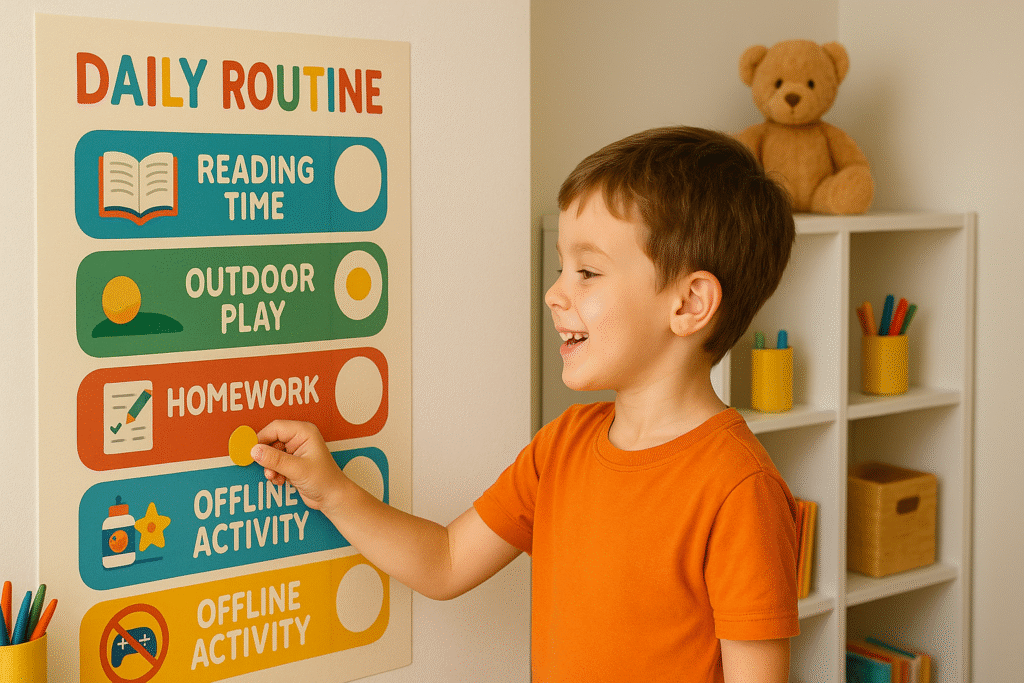
2. Build a Daily Routine That Includes Offline Activities
One of the most effective ways on how to reduce screen time for children is to create a structured daily routine.
Include:
- Homework time
- Outdoor play
- Reading time
- Family activities
- Creative hobbies
When children know what to expect, they depend less on screens to pass time.
3. Offer Fun Alternatives So Kids Don’t Miss Screens
Kids don’t stop screens unless they have something exciting to do.
Some alternatives:
- Drawing and coloring
- Board games
- Puzzle books
- Cycling
- Lego or blocks
- Craft activities
- Storybooks
- Helping you cook
Children are naturally creative. When you provide engaging offline activities, they automatically reduce their device usage.
4. Be a Role Model – Reduce Your Own Screen Time
Children copy what they see.
If parents are always:
- Scrolling social media
- Watching TV
- Using phones during meals
- Working on laptops in front of kids
…then children will do the same.
One powerful method for how to reduce screen time for children is to reduce your own screen time first.
Try:
- Keeping your phone away during family time
- Avoid unnecessary scrolling
- Engaging in offline hobbies
Your habits shape your child’s habits.
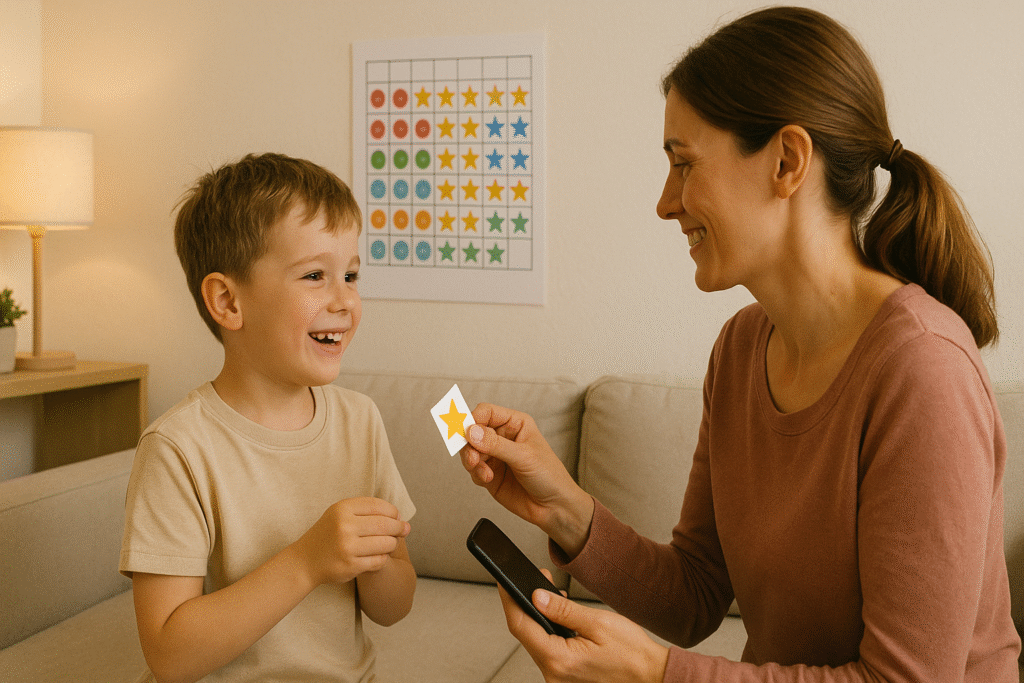
5. Replace Screen Rewards with Real-World Rewards
Many parents use screens as a reward:
- “If you eat, I’ll give you the phone.”
- “If you behave, you can play games.”
This strengthens screen dependency.
Replace digital rewards with:
- Stickers
- Stars
- Extra playtime
- Outdoor activities
- Mini gifts
- Family time
This technique is extremely helpful when learning how to reduce screen time for children effectively.
6. Use Technology to Control Technology
If your child is deeply attached to screens, use parental controls to support your efforts.
Examples:
- Limit gaming apps
- Turn off autoplay on YouTube
- Use screen-time management apps
- Set timers on devices
- Keep devices logged in under parent control
These small steps help reduce screen addiction gradually.
7. Make Your Home a Screen-Balanced Environment
Your home setup affects screen habits.
Try:
- Keep devices out of bedrooms
- Create a “toy corner” or “reading corner”
- Keep books and games easily accessible
- Use wall charts for daily routines
- Encourage family activities on weekends
A child-friendly environment makes it easier to reduce screen time successfully.
8. Introduce Screen-Free Hours Every Day
One of the best strategies for how to reduce screen time for children is scheduling “no screen hours.”
Example:
- 7pm to bedtime
- During meals
- Right after school
- Weekend mornings
When screen-free time becomes a normal part of life, kids balance their habits naturally.
How to Reduce Screen Time for Children Without Tantrums

Parents often struggle with tantrums when they limit screens.
Here are gentle ways to avoid conflict:
- Warn children 5 minutes before screen time ends
- Offer a fun alternative activity immediately
- Use timers or alarms so it feels “fair”
- Give choices: “book or puzzle?”
- Avoid turning off devices suddenly
These small steps reduce emotional breakdowns and make the transition easy.
Signs Your Child Is Too Dependent on Screens
Understanding early warning signs helps you apply strategies early.
Watch out for:
- Anger when devices are taken away
- Difficulty sleeping
- Ignoring outdoor activities
- Poor focus during studies
- Eating while watching screens
- Wanting screens immediately after waking up
If these signs appear, use the steps above on how to reduce screen time for children consistently.
When to Seek Professional Help
Sometimes, screen dependency becomes serious.
Seek help if:
- Your child spends 5–7 hours on screens daily
- Shows aggressive behavior
- Has difficulty speaking or communicating
- Loses interest in school
- Displays signs of addiction
A child therapist or pediatrician can guide you further.
Final Thoughts – How to Reduce Screen Time for Children Successfully
Learning how to reduce screen time for children is not something that works overnight. It requires patience, consistency, and daily practice. Small steps such as making routines, offering alternatives, being a role model, and creating a healthy environment can make a big difference.
Remember:
You don’t have to eliminate screens — just balance them.
Your goal is not to remove technology, but to help your child use it in a healthy, positive way.
With the right strategy, you can raise smarter, healthier, and more focused children in the digital age.
