
How to Protect Kids From Cold in Winter
Winter can be hard on children.
Cold weather can weaken their immunity and make them sick faster than adults.
Many parents ask the same question every year: how to protect kids from cold in winter?
This guide gives clear and practical answers.
It is written for parents, teachers, and caregivers.
No medical words. No confusion. Just real help you can use daily.
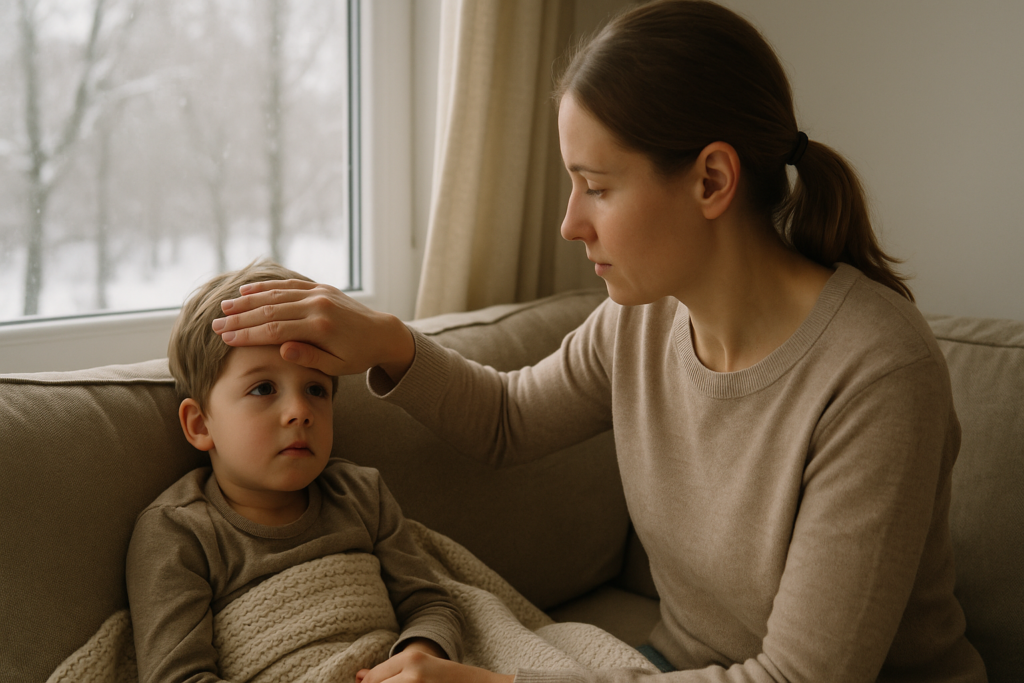
Why Children Get Sick More Often in Winter
Children’s bodies are still developing.
Their immune system is not as strong as adults.
In winter:
- Cold air dries the nose and throat
- Germs spread faster indoors
- Kids play less outside in sunlight
- Hands touch toys, doors, and faces more often
All these things increase illness risk.
That is why winter care matters.
How to Protect Kids From Cold in Winter (Daily Basics)
Protection starts with simple habits.
You do not need expensive products.
Focus on these four areas:
- Clothing
- Food
- Sleep
- Clean habits
Let’s break them down.
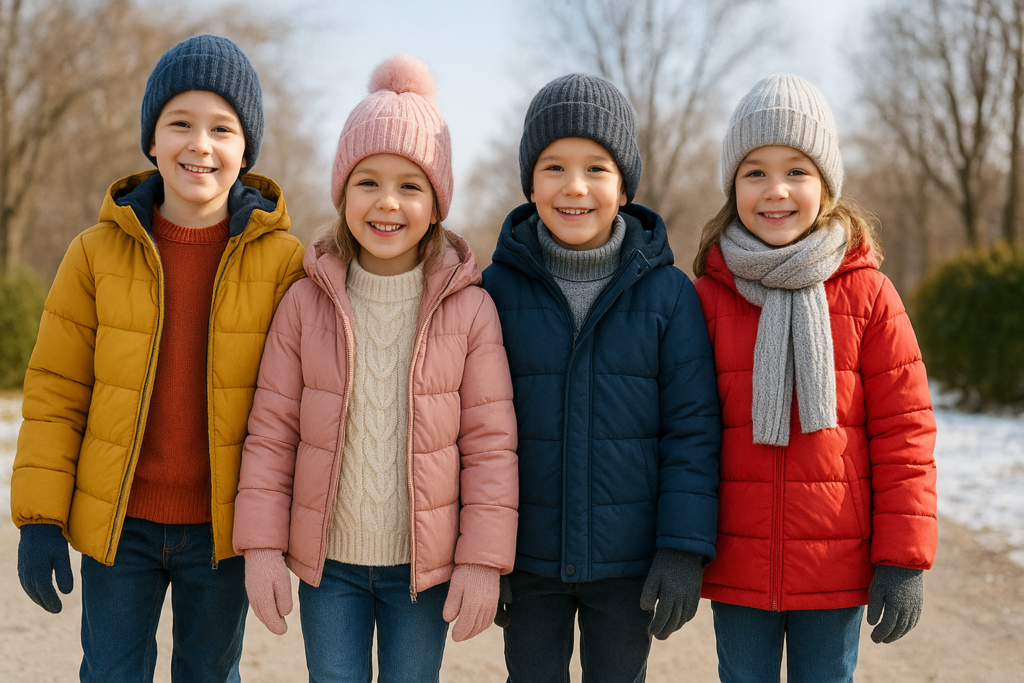
Dressing Kids Properly for Cold Weather
Clothing is the first layer of protection.
Use the Layering Rule
Instead of one thick jacket, use layers.
Best winter layering for kids:
- Inner layer: soft cotton (keeps skin dry)
- Middle layer: wool or fleece (keeps warmth)
- Outer layer: jacket or coat (blocks wind)
This keeps body temperature balanced.
Do Not Overdress
Too many clothes cause sweating.
Sweat makes the body colder later.
If your child is sweating:
- Remove one layer
- Use breathable fabric
Protect Hands, Feet, and Head
Most body heat escapes from these areas.
Make sure kids wear:
- Wool socks
- Covered shoes
- Gloves or mittens
- Cap or beanie
Cold hands often mean the body is cold too.
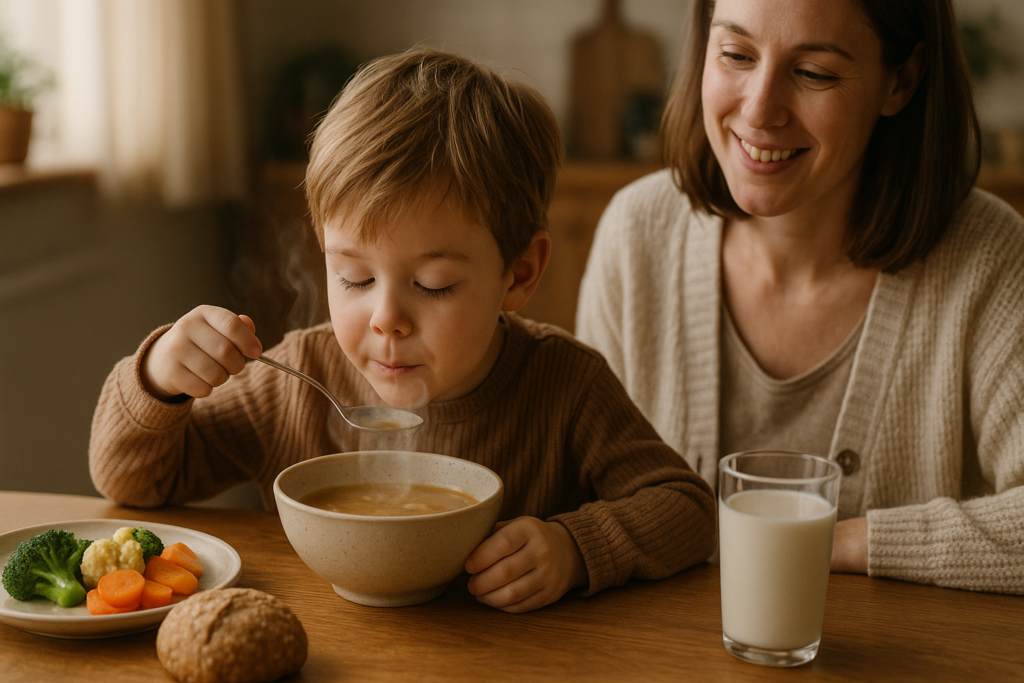
Warm and Nutritious Food Matters in Winter
Food plays a big role in winter protection.
Foods That Keep Kids Warm
Warm foods help maintain body heat.
Examples:
- Soups (chicken, lentil, vegetable)
- Porridge or oats
- Rice with warm curries
- Boiled eggs
Serve food fresh and warm.
Immunity-Boosting Foods
Strong immunity helps fight cold and flu.
Add these to meals:
- Fruits (oranges, apples, bananas)
- Vegetables (carrot, spinach)
- Yogurt (plain, not sugary)
- Nuts (if age allows)
Avoid too much junk food.
It weakens immunity.
Importance of Warm Drinks
Children forget to drink water in winter.
This causes dryness and infection risk.
Best Winter Drinks for Kids
- Lukewarm water
- Milk (not cold)
- Light soups
- Herbal drinks (doctor-approved)
Avoid icy drinks.
They irritate the throat.
Good Sleep Protects Immunity
Sleep repairs the body.
Kids need proper rest in winter.
Winter Sleep Tips
- Keep room warm, not hot
- Use soft blankets
- Avoid cold floors
- Change clothes before sleep
If a child sleeps sweaty or cold, they may catch a cold.
Keeping Indoor Air Healthy in Winter
Closed rooms trap germs.
Simple Ways to Improve Indoor Air
- Open windows for 10–15 minutes daily
- Let sunlight enter the room
- Avoid smoking indoors
- Clean dust regularly
Fresh air reduces illness spread.
Teaching Hygiene to Prevent Winter Illness
Good habits stop germs.
Basic Hygiene Rules for Kids
- Wash hands before eating
- Wash hands after school
- Cover mouth while coughing
- Use tissues, not sleeves
Make hygiene fun:
- Sing a hand-washing song
- Use colorful soap
- Reward good habits
Consistency matters.
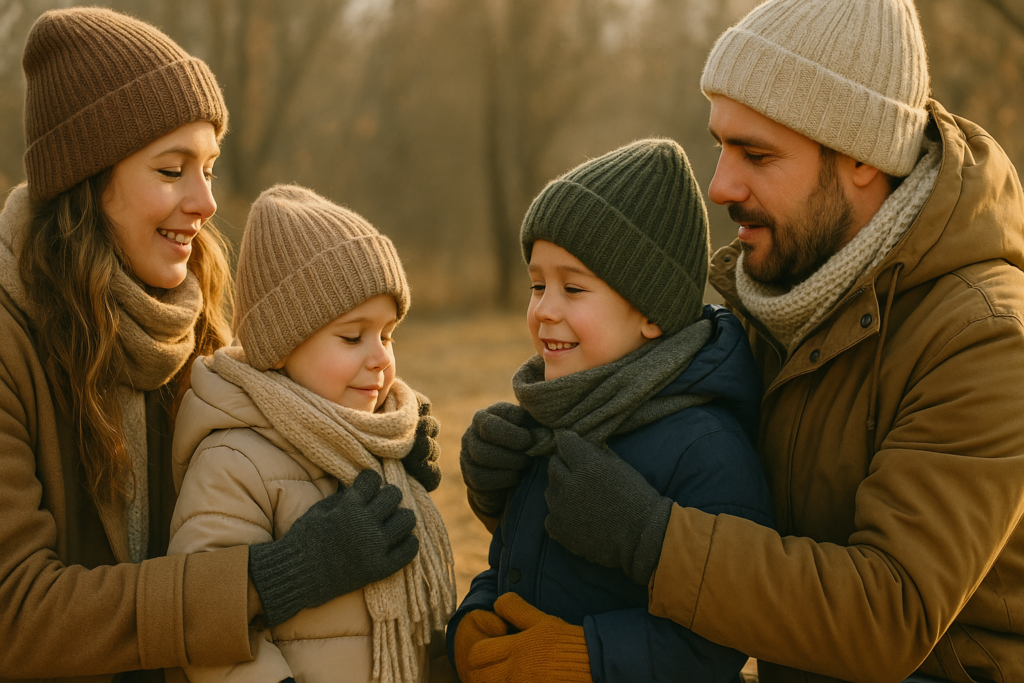
Outdoor Play and Sunlight Are Important
Many parents avoid outdoor play in winter.
That is a mistake.
Benefits of Outdoor Time
- Sunlight gives Vitamin D
- Fresh air boosts mood
- Physical movement strengthens immunity
Safe Winter Outdoor Tips
- Go out during sunny hours
- Dress properly before play
- Return inside if hands feel numb
Short outdoor play is better than none.
When to Keep Kids Home
Sometimes, rest is better than school.
Keep Your Child Home If:
- Fever is present
- Constant coughing
- Body aches
- Extreme tiredness
Sending a sick child out spreads illness and delays recovery.
Natural Ways to Protect Kids From Cold in Winter
Some simple home practices help.
Safe Home Care Tips
- Steam inhalation (with adult supervision)
- Warm baths
- Nasal saline drops
- Honey for kids above 1 year (doctor-approved)
Never force remedies.
If symptoms worsen, seek medical advice.
How Parents Can Reduce Winter Infections at School
School is a common place for germs.
You can help by:
- Packing warm lunch
- Sending spare socks
- Teaching kids not to share bottles
- Speaking to teachers about ventilation
Small steps reduce big problems.
Common Winter Illnesses to Watch For
Early care is important.
Look out for:
- Cold and cough
- Flu symptoms
- Ear infections
- Dry skin and lips
Treat early to avoid complications.
Frequently Asked Questions (FAQ)
1. How many layers should a child wear in winter?
Usually 2–3 layers are enough.
Too many layers cause sweating and discomfort.
2. Is cold weather the main reason kids get sick?
No.
Viruses spread easily in winter because people stay indoors more often.
3. Can kids drink cold water in winter?
It is better to give lukewarm water.
Cold water can irritate the throat.
4. How can I boost my child’s immunity naturally?
Balanced food, good sleep, sunlight, and hygiene are the best natural methods.
5. When should I see a doctor?
See a doctor if fever lasts more than two days, breathing feels hard, or symptoms worsen.
Conclusion: Keep It Simple and Consistent
Protecting children in winter does not require complex rules.
The key to how to protect kids from cold in winter is consistency.
Remember:
- Dress them wisely
- Feed them warm, healthy food
- Ensure good sleep
- Maintain hygiene
- Allow safe sunlight and play
Small daily habits keep kids healthy all winter long.
Parents who stay alert and calm make the biggest difference.
Suggested Internal Links
- Winter nutrition tips for children
- Best daily routine for school-going kids
- How to build strong immunity in children
Suggested External Authority Link
- World Health Organization (WHO) – Child health and seasonal illness guidance
